Absolute contraindications
Relative contraindications
Hemodynamically significant heart disease
Chronic bronchitis
Incompetent cervix/cerclage
Poorly controlled type 1 diabetes mellitus
Multiple gestation at risk for premature labor
Extreme morbid obesity
Persistent second- or third-trimester bleeding
Extreme underweight
Placenta previa after 26 weeks’ gestation
Heavy smoker
Preeclampsia/pregnancy-induced hypertension
History of extremely sedentary lifestyle
Premature labor during the current pregnancy
Orthopedic limitations
Restrictive lung disease
Poorly controlled hypertension
Ruptured membranes
Poorly controlled seizure disorder
Poorly controlled hyperthyroidism
Severe anemia
Unevaluated maternal cardiac arrhythmia
Intrauterine growth restriction in current pregnancy
Table 9.2
Warning signs to terminate exercise from the ACOG (2002) guidelines
Warning sign |
|---|
Vaginal bleeding |
Dyspnea prior to exertion |
Dizziness |
Headache |
Chest pain |
Muscle weakness |
Calf pain or swelling (need to rule out thrombophlebitis) |
Preterm labor |
Decreased fetal movement |
Amniotic fluid leakage |
In 2008, the US government [1] released the “Physical Activity Guidelines for Americans” which included a section focused on pregnant women. They recommended at least 150 min of moderate-intensity aerobic physical activity per week for pregnant women who were not already highly active or doing vigorous-intensity physical activity and without obstetric/medical complications. This report also put forward, for the first time, guidelines for vigorous-intensity aerobic physical activity, stating that “pregnant women who habitually engage in vigorous-intensity aerobic activity or are highly active can continue physical activity during pregnancy and the postpartum period, provided they remain healthy and discuss with their healthcare provider how and when activity should be adjusted over time” ([1], p. 42). They provided strong scientific evidence for the safety of moderate-intensity physical activity, stating that it does not elevate the risk for low birth weight, preterm delivery, or early pregnancy loss. Moreover, it highlighted the growing but yet inconclusive evidence that physical activity can reduce the risk of pregnancy complications (e.g., preeclampsia, gestational diabetes mellitus) and the length of labor. Both the ACOG and United Status Department of Health and Human Services (USDHHS) guidelines specified specific activities pregnant women should avoid, such as the supine position during exercise during the second and third trimester. These recommendations are summarized in Table 9.3.
Table 9.3
Specific physical activities or positions to avoid during pregnancy
Activities or positions to avoid during pregnancy |
|---|
Supine position (on back face up) during exercise after the first trimester |
Motionless standing |
Contact sports (i.e., soccer, basketball) |
Activities with a high fall risk (i.e., skiing, vigorous racquet sports, horseback riding) |
Scuba diving |
High altitude exercise (>6,000 ft) |
Recent calls have been made for ACOG to update their 2002 prenatal physical activity guidelines in light of the growing body of research on maternal prenatal physical activity over the past decade [11]. Revisions are needed that could provide greater specificity by defining moderate-intensity physical activity, addressing the specific weekly energy expenditure to be attained, as well as clarifying the impact of incorporating vigorous physical activity on maternal and infant health outcomes. Also, in light of the increasing obesity epidemic worldwide, updated physical activity guidelines are also needed to address the special issues surrounding obesity in pregnancy. In particular, recent findings [12] indicate that fetal exposure in utero to maternal obesity, excessive gestational weight gain, and abnormal glucose tolerance critically influence the risk of subsequent overweight/obesity in the offspring. This evidence highlights the need for physical activity guidelines targeted to overweight/obese pregnant women with the goal of reducing the intergenerational impact of obesity [13].
In terms of postpartum physical activity, the consensus across the guidelines is that prepregnancy physical activity routines should be resumed gradually after giving birth, as soon as it is medically and physically safe to do so [1, 2]. In general, women are able to return to their prepregnancy physical activity levels approximately 6-8 weeks after a normal and healthy vaginal delivery and slightly longer after a cesarean delivery (i.e., following medical approval from one’s health-care provider). The 2008 US governmental physical activity guidelines for postpartum women are the same as for the general population (e.g., at least 150 min of moderate-intensity aerobic activity spread throughout the week; [1]). There is no evidence to date that physical activity has a negative impact on postpartum women’s health or negatively affects breastfeeding behaviors.
Prevalence of PA During Pregnancy and Postpartum
The US prevalence of physical activity during pregnancy comes from surveillance studies that have relied on self-reported physical activity (see Table 9.4). From the National Health and Nutrition Examination Survey [14], pregnant women reported an average of 0.6 h/week of transportation activity, 1.6 h/week of moderate to vigorous household activity, and 1.8 h of moderate to vigorous leisure activity. A subset of the leisure activities was classified as aerobic (mean 1.5 h/week), accounting for 88.5 % of the proportion of hours/week on aerobic exercise compared to all leisure activities. Pregnant women were classified as meeting the recommendations [1] if they reported at least 150 min/week of moderate-intensity aerobic activity. Overall, 14 % met the recommendation, and when including vigorous activities, almost one-quarter (23 %) met the recommendation for physical activity.
Table 9.4
Summary of US surveillance studies of self-reported physical activity during pregnancy
Acronym | NMIHS | BRFSS | NHANES |
|---|---|---|---|
Study full name | National Maternal and Infant Health Survey | Behavioral Risk Factor Surveillance System | National Health and Nutrition Examination Survey |
Reference | Zhang and Savitz [25] | Evenson and Wen [14] | |
Years reported | 1988 | 1994, 1996, 1998, 2000 | 1999–2006 |
Method of collection | Telephone survey | Telephone survey | In-person interview |
Sample size | 9,953 | 1,979 in the year 2000 | 1,280 |
Results | Approximately 35 % reported exercising before and during pregnancy; walking was the most popular exercise, followed by swimming and aerobic exercise | 66 % of pregnant women (in 2000) reported any leisure activity in the past month, with walking as the most common activity, followed by gardening, swimming laps, and aerobics | 23 % reported any transportation activity (i.e., to/from work/school), 54 % reported any moderate to vigorous household activity, and 57 % reported any moderate to vigorous leisure activity, all in the past month |
Limitations | Did not collect gestational age; long period of recall (on average 17 months after delivery); duration and frequency of exercise not collected | Did not collect gestational age |
Self-reported physical activity is subject to social desirability bias and misreporting due to the difficulties in recall [15]. In addition, surveillance questions are often limited in number and detail, sometimes missing key components of physical activity behavior. In 2003, accelerometry was added to the NHANES and included a sufficient number of pregnant women who wore the accelerometer to be reported upon [16]. From 2003 to 2006, 359 pregnant women ≥16 years wore an accelerometer for 1 week. Women participated in a mean of 12 min/day of moderate physical activity and 0.3 min/day of vigorous physical activity. Mean moderate to vigorous physical activity varied by trimester: 12 min/day in first trimester, 14 min/day in second trimester, and 8 min/day in third trimester (see Fig. 9.1). On average, women spent 57 % of their monitored time in sedentary behaviors. In multivariable adjusted models, moderate to vigorous physical activity was higher in the first and second trimester compared to the third trimester and among women with higher household income compared to lower household income.
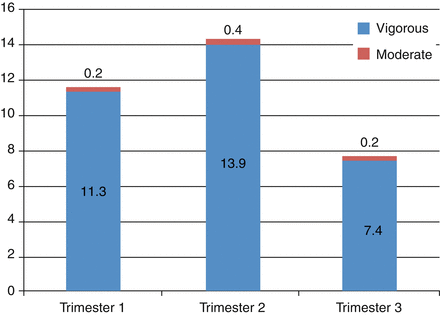
Figure 9.1
Weighted mean accelerometer minutes of moderate and vigorous physical activity per day among US pregnant women (From NHANES (2003–2006); Evenson et al. [16]. Open Access Agreement)
The prevalence of physical activity during postpartum is less well understood, but a number of studies agree that the absolute amounts are below recommendations for most women [17–23]. One observational cohort study found that while pregnant women decreased their physical activity from 17–22 weeks’ gestation to 27–30 weeks’ gestation, they did increase their physical activity at 3 months postpartum [24]. At 12 months postpartum, physical activity was stable, although the differing modes of activity that made up this activity differed from the prenatal period. For example, while indoor household activities that required at least moderate effort declined during the postpartum period, care-giving activities requiring at least moderate effort increased.
Review of Exercise During Pregnancy and Postpartum: Determinants, Outcomes, and Critical Gaps in the Literature
Determinants of Physical Activity in Pregnancy
Identifying determinants of prenatal physical activity is essential to inform future intervention studies designed to increase prenatal physical activity. However, such studies in overweight/obese women are sparse. This is critical as previous studies have found lower levels of physical activity during pregnancy among women who were overweight [25, 26]. In a recent review, Gaston and Cramp [27] found that the relationship between weight or BMI and prenatal physical activity was conflicting. While some studies observed no association between prepregnancy weight or BMI and physical activity level during pregnancy, others found that women of greater weight or BMI were 1.3–1.79 times more likely to discontinue their involvement in physical activity after becoming pregnant. Similarly, recent findings from the Pregnancy, Infection, and Nutrition 3 Study (PIN3) found that women who were overweight or obese prior to pregnancy were less likely to perform any recreational physical activity in late pregnancy as compared to lean women [28].
In general, two important sociodemographic factors known to be positively associated with participation in prenatal physical activity are greater education and income [27, 29–31], whereas physical activity frequency and duration are well documented to decline with advancing maternal and gestational age [32]. Also, women with higher levels of social support (e.g., perceived sense of accountability, support from friends/family), informational support (e.g., how to safely and effectively engage in prenatal physical activity), and emotional support have higher physical activity levels. At the environmental level, perceived community safety, the use of physical activity as a means of transportation, access to childcare, and access to trails, parks, and built environments that are conducive to physical activity are also commonly cited motivating factors [20, 23]. While studies have found that physical activity levels are higher among nulliparous women than among women with children [30, 31, 33], studies which have included household/childcare in the assessment of physical activity have found that women with children were less likely to become inactive throughout pregnancy [34–37].
Determinants of Physical Activity in Postpartum
Studies evaluating the determinants of postpartum physical activity are sparse. The existing studies suggest that women with greater levels of prenatal physical activity and higher family income are more likely to be active during postpartum [30]. Blum et al. [38] administered the Kaiser Physical Activity Survey (KPAS) to 91 postpartum women in Maine and found that women with older infants reported greater increases in household/childcare physical activity and lower occupational physical activity from prepregnancy to postpartum as compared to women with younger infants. In general, women who maintained or increased activity and/or sports participation from prepregnancy to postpartum had better overall maternal well-being and significantly better perception of partner’s/husband’s participation in childcare and support for maternal role from family and friends, compared to women reporting no or decreased activity participation. In another study, Hinton and Olsen [39] reported that being married and the husband’s physical activity frequency were positively associated with the mother’s postpartum physical activity frequency.
Other qualitative and quantitative studies indicate a number of barriers to physical activity during postpartum, including physical discomfort, parenting duties, tiredness, lack of time, not prioritizing their health over other competing responsibilities, lack of spousal/partner support, social isolation, lack of childcare, family responsibilities, higher number of children, financial, neighborhood safety, and weather [17–23, 40–45]. These studies also indicate a number of enablers to physical activity including stress relief and increased energy, weight loss, social support, and returning to work (corresponding with childcare) [17–19, 23, 38, 42, 45–47]. Environmental enablers to physical activity have also been described, such as access to safe places to walk and play [40, 45]. While overweight/obese women may experience many of these same barriers and enablers to pregnancy and postpartum physical activity, research about the unique challenges these women experience with engaging in physical activity before, during, and after pregnancy is sparse.
Outcomes of Physical Activity in Pregnancy: Gestational Diabetes Mellitus, Preeclampsia, and Excessive Gestational Weight Gain in Overweight/Obese Women
Gestational Diabetes Mellitus
Gestational diabetes mellitus (GDM) is one of the most common complications of pregnancy with a prevalence rate varying from 1 to 20 % depending on the population studied and diagnostic criteria applied [48, 49]. Obesity increases the risk of GDM [50, 51]. Indeed, there is evidence that the incidence of GDM may be increasing as the prevalence of obesity among women of reproductive age increases [52–54]. GDM, in turn, increases the risk of subsequent development of diabetes later in life, and this risk is even higher in obese women [55]. Within 15 years of delivery, 70 % of obese women with GDM, compared with 30 % of lean women, will go on to develop type 2 diabetes [56]. GDM is also related to other short- as well as long-term adverse health outcomes for both mothers and their offspring such as maternal hypertensive disorders, cesarean delivery, large-for-gestational-age birth, neonatal hypoglycemia, and neonatal death [57]. In the long term, offspring are at increased risk for obesity, glucose intolerance, and type 2 diabetes [58–60].
Prior observational epidemiologic studies have suggested that prepregnancy physical activity may have a protective role in GDM onset. A meta-analysis found a 55 % lower risk of GDM for women in the highest prepregnancy physical activity quartile compared with those in the lowest quartile (pooled odds ratio [OR] = 0.45, 95 % confidence interval [CI] 0.28–0.75; p = 0.002), as well as a 24 % lower risk of GDM for women in the highest physical activity group during pregnancy compared with those in the lowest physical activity group (pooled OR = 0.76, 95 % CI 0.70–0.83; p < 0.0001) [61].
A recent Cochrane Review comparing the impact of physical activity interventions to usual prenatal care [62] found no significant difference in GDM incidence (three trials, 826 women, risk ratio (RR) 1.10, 95 % confidence interval (CI) 0.66–1.84). In addition, none of the five included trials which evaluated insulin sensitivity found significant differences. Of these studies, two were conducted among obese pregnant women; however, both were small studies and only one evaluated risk of GDM [63, 64]. In the first study, Ong et al. [63] investigated the effect of a supervised 10-week home-based exercise program, beginning at week 18 of gestation, on glucose tolerance and aerobic fitness in 12 previously sedentary obese women. The control arm had reduced glucose tolerance (higher blood glucose levels at 1 and 2 h of the post-intervention oral glucose tolerance test) as compared to the exercise arm, although this was not statistically significant. In the second study, Callaway et al. [64] randomized 50 obese women to an individualized exercise program with an energy expenditure goal of 900 kcal per week (n = 25) or to routine obstetric care (n = 25). While insulin resistance did not differ between the groups, 73 % of women in the intervention group achieved more than 900 kcal/week of exercise-based physical activity at 28 weeks compared with 42 % of women in the control arm. The review concluded that there is limited randomized controlled trial evidence available on the effect of physical activity during pregnancy for preventing pregnancy glucose intolerance or GDM. Larger, well-designed randomized trials, with standardized behavioral interventions, are needed to assess the effects of physical activity on preventing GDM. Seven trials are currently ongoing (see Appendix 9.1) [62].
Preeclampsia
Hypertensive disorders of pregnancy affect approximately 8 % of pregnancies [65] and include preeclampsia (defined as gestational hypertension with proteinuria) and gestational hypertension (defined as new onset hypertension in pregnancy after 20 weeks’ gestation). Obesity increases the risk of hypertensive disorders of pregnancy [54, 66]. For example, in a large prospective cohort study in Washington State (the Omega Study), Frederick et al. found that every unit increase in prepregnancy BMI resulted in an 8 % increased risk of preeclampsia, with overweight women having almost a twofold increased risk and obese women having over a fourfold increased risk [67]. Consistent with this finding, a significant decrease in risk of hypertensive disorders of pregnancy has been observed when BMI decreases [68]. Hypertensive disorders are the second leading cause of maternal mortality, accounting for 19 % of pregnancy-related deaths for women following a live birth and 20 % of pregnancy-related deaths for women following a still birth [69]. Preeclampsia is associated with an increased risk of preterm delivery, neonatal intensive care unit admission, and fetal death [70].
A recent systematic review [71] found a trend toward a protective effect of PA in the prevention of preeclampsia. Specifically, while six case–control studies found that physical activity had a protective effect on the development of preeclampsia (OR = 0.77, 95 % CI 0.64–0.91), the ten prospective cohort studies found no significant difference (OR = 0.99, 95 % CI 0.93–1.05). The only randomized clinical trial found that the incidence of preeclampsia was 14.6 % (95 % CI, 5.6–29.2) among the walking group and 2.6 % (95 % CI 0.07–13.8) among the stretching group [72].
Because overweight is an established risk factor for preeclampsia, several of these studies evaluated whether physical activity might be particularly beneficial for reduction of preeclampsia risk in this group. In a cohort of 2,793 women in Denmark, Hegaard et al. found that protective effect of recreational physical activity on preeclampsia risk was strongest in overweight women (OR = 0.10, 95 % CI 0.02–1.2), although not significantly so [73]. In contrast, in the Norwegian Mother and Child Cohort Study, Magnus et al. found that the protective effect of exercise was absent among obese women (OR = 1.39, 95 % CI 0.83–2.32), although there was the suggestion of a reduction in risk among overweight women (OR = 0.68, 95 % CI 0.44–1.04) [74, 75]. Rudra et al. found the significant trend of decreased preeclampsia risk with increased perceived exertion was apparent in both overweight and normal weight women [76].
Gestational Weight Gain
High gestational weight gain (GWG) is independently associated with postpartum weight retention and the long-term development of obesity [77]. Indeed, GWG is the strongest predictor for weight retention [78]. Overweight and obese women are at particular risk for excessive GWG [79]. Because overweight is characterized by insulin resistance and increased systemic inflammatory response [80], it is also associated with increased risk of GDM and preeclampsia [81, 82]. Recent studies also indicate a relationship between high GWG, an abnormal metabolic environment in utero, and increased risk of large-for-gestational-age infants, neonatal death [57], and subsequent childhood adiposity and morbidity [60]. There is observational evidence that physical activity may be a modifiable risk factor for excessive GWG [77]. In observational studies, vigorous physical activity, total physical activity, and walking have been associated with a lower risk of excessive GWG [83–85]. A recent systematic review of randomized controlled trials comparing supervised prenatal exercise intervention with routine standard prenatal care in women who were overweight/obese during pregnancy found that supervised exercise interventions were associated with lower GWG (five trials, n = 216 participants, mean difference of −0.36 kg, 95 % confidence interval −0.64 to −0.09 kg) [86].
Furthermore, a systematic review of lifestyle interventions in overweight/obese pregnant women to improve maternal and perinatal outcomes [51] found that prenatal lifestyle interventions in obese pregnant women reduce maternal pregnancy weight gain (10 RCTs; n = 1,228; −2.21 kg (95 % confidence interval −2.86 kg to −1.59 kg)) although findings were not significant for non-RCTs (six; n = 1,534). Both the successful and non-successful studies included those which were personalized, individual-based, and combined physical activity with dietary guidance. Degrees of weight gain restriction achieved were modest overall, and all the trials were assessed to be of low to medium quality [51]. Future studies are therefore needed to determine the optimal intensity, duration, and type of exercise intervention to reduce excessive GWG among pregnant women overall as well as specifically among overweight/obese pregnant women.
Outcomes of Physical Activity During Postpartum
Overweight/obese women tend to retain more weight postpartum because the majority of this group gains more weight during pregnancy than is recommended, and therefore, there is more weight to lose in postpartum [55, 78]. Weight loss can be achieved in the immediate postpartum period [87], with studies finding that both caloric restriction as well as physical activity are needed to reduce weight [88, 89] as compared to physical activity interventions alone [90]. However, few intervention studies have been specifically designed to reduce postpartum weight retention in overweight or obese women [88–90].
Lovelady et al. conducted a 10-week supervised exercise and dietary program in overweight, exclusively breastfeeding women. Women in the intervention group lost more weight (4.8 ± 1.7 kg vs. 0.8 ± 2.3 kg, p < 0.001) and increased aerobic fitness as compared with the control groups [88]. A second study which randomized overweight women to an exercise program and a structured diet found that the intervention arm successfully lost weight and most maintained weight loss by 1 year after delivery [89]. However, support from professionals and family is crucial for women to engage in physical activity during the postpartum period [38].
Weight loss interventions which begin during pregnancy [90, 91] may be more effective than those initiated only in the postpartum period [89, 92, 93] given the strong association between GWG and postpartum weight retention and the fact that it may be difficult to reduce postpartum weight retention without first preventing excessive GWG during pregnancy [94].
It remains unclear whether clinically relevant postpartum weight loss can be achieved in obese and overweight postpartum women and what form of physical activity intervention would be optimal. The Active Mothers Postpartum (AMP) trial enrolled a total of 450 overweight or obese women at 6 weeks postpartum [93]. Women randomized to the intervention were offered eight healthy-eating classes, ten physical activity classes, and six telephone-counseling sessions over 9 months. There were no significant group differences in mean weight loss, improvement of diet, or increased physical activity. Findings suggest that home-based interventions via mail, telephone, or the Internet/e-mail may be more feasible and successful in this population.
In addition, O’Toole examined the impact of an individualized, structured diet and physical activity intervention on weight loss in 40 overweight women during the first year postpartum [89]. Women were randomized to either a structured intervention which involved individualized diet and physical activity prescriptions or to a self-directed program. At 1 year postpartum, women in the intervention arm had a significant weight loss (7.3 kg, p < 0.01), a significant decrease in percent body fat (6 %, p < 0.01), but no change in fat-free mass, while women in the self-directed program had no significant change in these factors. Also recently, Bertz et al. evaluated whether a combined 12-week dietary and physical activity behavior modification intervention compared with stand-alone dietary and physical activity interventions or to usual care led to reduced body weight in 68 lactating Swedish women with a prepregnancy BMI of 25–35 kg/m2.[95]. The dietary intervention resulted in clinically relevant weight loss, which was sustained 9 months after treatment. However, the combined physical activity and diet treatment did not yield significant weight or body-composition changes beyond those of dietary treatment alone.
Critical Gaps in the Literature
Despite the increasing body of literature aiming to better understand PA prevalence as well as determinants and outcomes of physical activity in pregnancy and postpartum, there are nevertheless critical gaps in the literature. The following section will discuss the following particular gaps: limitations in measuring physical activity during pregnancy, a general lack of understanding about overweight/obese women’s beliefs about being active and strategies for overcoming barriers, and a lack of a “best practice” or a “gold standard” intervention to promote physical activity among overweight/obese pregnant and postpartum women.
Measurement of Physical Activity During Pregnancy
To date, assessment of physical activity during pregnancy and postpartum is predominately conducted via self-report, such as with questionnaires or diaries, rather than with objective measurements, such as accelerometers or pedometers [96]. Several advantages of self-report measures include the lower burden it places on the participant and the reduction in equipment cost as compared to objective assessment of physical activity. Questionnaires can be designed to collect mode of physical activity and perception of intensity. A major disadvantage to both questionnaires and diaries is the potential for recall bias. Moreover, keeping a diary may change the woman’s physical activity behavior, and consistent with this concern, diaries have been used as motivational tools in prior intervention studies. Questions to consider when selecting a self-reported instrument can be found in Table 9.5.
Table 9.5
Questions to consider when choosing a physical activity questionnaire or diary assessment for pregnant women
Question | Common options |
|---|---|
How will the assessment be delivered? | Paper, electronic, phone, text messaging, e-mail, interactive website |
What is the appropriate length of the recall period? | Today, yesterday, past week, past month, since becoming pregnant |
Are the major components of physical activity assessed? | The major components of physical activity include mode (type of physical activity), frequency, duration, and intensity |
Is it important to know where or with whom the activity occurred? | Consideration could be given to whether the physical and social context is important to collect, assessed by asking where and with whom the physical activity was performed |
Can the method assess recommendations for physical activity? | |
Does the assessment evaluate sedentary behavior? | Sedentary behavior is characterized predominately by sitting and associated with low levels of energy expenditure |
Was assessment of validity and reliability conducted in a population that is similar to my population? | Assessments may require cultural adaptation |
Should objective assessments of physical activity be considered? | Accelerometers, pedometers |
Objective measurement of physical activity is becoming more common among studies of pregnant and postpartum women. Several advantages to objective measures of pregnancy physical activity include the elimination or reduction of literacy, recall bias, and cultural differences. These objective measures (e.g., activity monitors) can also provide a more precise estimation of total physical activity. Disadvantages include cost and dependency on the participant to wear the monitor. The monitors are often worn for up to 1 week and thus do not reflect longer-term patterns of physical activity. They may be inadvertently worn incorrectly if placed at the hip, due to changes in the pregnant woman’s girth [97]. Several studies have noted that compliance to wearing accelerometers declines during pregnancy [98, 99]. This is most likely to occur when participants are instructed to remove the monitor while sleeping, and periods of sleep increase in later pregnancy. Another reason for decline in compliance may be the increasing discomfort associated with wearing the monitor later in pregnancy. To date, the majority of pedometers that have been used in pregnancy only assess locomotion-type activities well (i.e., running, walking) and have not differentiated intensity level. With newer devices, these limitations will likely be overcome.
Overweight/Obese Women’s Beliefs About Physical Activity During Pregnancy and Postpartum
To date, there has been a critical lack of understanding about overweight/obese women’s beliefs about being active and strategies for overcoming barriers. Several studies not focused among overweight/obese women have documented pregnant women’s PA beliefs during pregnancy, including that PA contributes to overall well-being [100–102], relieves stress [103], reduces anxiety and depressive symptoms [104], helps to control gestational weight gain [101, 104], and manages gestational diabetes [45]. In postpartum, salient physical activity beliefs are that physical activity assists with postpartum weight loss [101, 105], improves mood, and reduces stress [40]. Common barriers to physical activity in pregnancy are increased size, fatigue, and fear of harming the baby [101] and in postpartum are lack of time, companionship support for physical activity, childcare responsibilities, and health issues (e.g., recovering from labor/delivery) [19, 23, 40, 101, 102].
While overweight/obese women may experience many of these same physical activity beliefs and barriers, there is nevertheless little understanding about the unique challenges these women experience with engaging in physical activity before, during, and after pregnancy. One US study by Chang and colleagues [17] found that obese postpartum mothers’ personal experience of physical discomfort (e.g., inability to climb stairs, knee and back pain) and their body size made engaging in physical activity difficult. Another study conducted in the United Kingdom by Weir and colleagues [106] also identified feeling uncomfortable engaging in physical activity due to size (e.g., harder to move when heavier) as well as the perception that physical activity was less important than eating healthy for the baby as salient barriers to prenatal physical activity. Of particular concern, the women in this study were generally unconcerned about weight gain in pregnancy despite the adverse effects of high gestational weight gain on maternal and infant health outcomes. Future research is needed to better understand the physical activity beliefs and barriers of overweight/obese women and the extent to which these psychological factors influence their physical activity attitudes and behaviors and perspectives on gestational weight gain. It is possible that for overweight/obese women, the perceived barriers of physical activity greatly overshadow the benefits, and therefore, there is an important need to identify intervention strategies that effectively reduce barriers and improve their physical activity motivation and behavior.
Lack of “Best Practice” Interventions to Promote Physical Activity During Pregnancy and Postpartum
Although the prenatal physical activity guidelines have been revised on several occasions since the 1985 ACOG recommendations and these adaptations have led to greater support for and promotion of physical activity, there is still a considerable gap in the literature. Specifically, there is an absence of a “gold standard” intervention to promote pre- and postnatal physical activity. A recent systematic review [107] examined interventions to promote physical activity during pregnancy in an effort to identify best practices. Ten intervention studies met the inclusion criteria (i.e., randomized controlled trials measuring efficacy of intervention aiming to change physical activity in pregnant women) of which only two focused on physical activity as the primary target (other targets were gestational weight gain, gestational diabetes, and preeclampsia) and only three reported statistically significant differences between the physical activity intervention and control groups (see Table 9.6). The interventions included a variety of behavioral strategies aiming to promote PA (see Table 9.6); however, none were uniquely associated with positive outcomes. The authors concluded that little is known about the efficacy of interventions for physical activity during pregnancy and offered several suggestions for future research such as designing theoretically based studies to better understand factors influencing physical activity participation, expanding interventions beyond pregnant women to include other important social influences (e.g., family members, social networks, medical providers), and increasing generalizability of evidence to special populations such as ethnic minority groups and overweight and obese pregnant women.
Table 9.6




Interventions to promote physical activity
Stay updated, free articles. Join our Telegram channel
Full access? Get Clinical Tree
