CHAPTER 14 Heart Disease
Cardiovascular disease, including coronary heart disease (CHD) and stroke, has become the leading cause of death among American women. Cardiovascular disease claims more women’s lives than the next 16 causes of death combined, including all forms of cancer, chronic lung disease, pneumonia, diabetes, accidents, and acquired immunodeficiency syndrome. Although mortality trends for cardiovascular disease in men have decreased over the past 20 years, they have increased for women. Approximately half a million women sustain a myocardial infarction (MI) each year. More women (42%) than men (24%) die within 1 year of sustaining a recognized MI. Within 6 years, women (33%) are at greater risk than men (21%) of having a second MI.1 Cardiovascular disease is of particular concern in minority communities, with death rates 69% higher among black women than among white women.
Although risk factors are the same for men and women (e.g., increased serum lipid concentrations, hypertension, obesity, sedentary lifestyle, smoking), some affect women differently than they do men. After age 45, cholesterol levels tend to plateau in men but increase steadily in women. By age 55, women often have higher cholesterol levels than men.2 Although a high total cholesterol concentration does not appear to be as great a risk for women as it is for men, the combination of a low level of high-density lipoprotein (HDL) cholesterol and a high level of triglycerides (TGs) increases the risk of death in women from heart disease tenfold.3 Research has shown that high systolic blood pressure and a high fasting blood glucose level are stronger risk factors for women than for men. Smoking increases risk in women two- to fivefold, significantly greater than the doubling in risk observed in men.4
PREVENTION AND TREATMENT STRATEGIES
Other than a brief discussion of hormone replacement therapy (HRT), this section will not provide a detailed discussion of prescription-drug therapies for the treatment of cardiovascular disease. Undoubtedly, newer cholesterol-lowering medications have made a significant contribution in the prevention of CHD. In 1980, resins and niacin were the most commonly used lipid-lowering medications. By 1985, the use of fibrates had caused a decline in the use of niacin and resins. By 1989, 3-hydroxy-3-methylglutaryl-coenzyme A reductase inhibitor (HMG-CoA) statin drugs had replaced fibrates as the most frequently prescribed lipid-lowering medications.5 By the mid- to late 1990s, several landmark trials had provided clear evidence that lipid-lowering therapy decreases cardiovascular events, including mortality. These studies included the Scandinavian Simvastatin Survival Study, the West of Scotland Coronary Prevention Study, and the Air Force/Texas Coronary Atherosclerosis Prevention Study.
By 2002, with the publication of the Heart Protection Study (HPS), the use of statin drugs for both the prevention and the treatment of CHD had become firmly established. The aim of the HPS, with more than 20,000 participants ranging in age from 40 to 80 years, was to determine whether statin therapy is of benefit to people who are at high risk for cardiovascular disease but have average to low levels of total cholesterol and low-density lipoprotein (LDL) cholesterol. High-risk patients (defined as those with previous CHD, diabetes, stroke, or peripheral vascular disease) were treated with simvastatin (40 mg/day), antioxidant vitamins (20 mg of β-carotene, 250 mg of vitamin C, and 600 mg of vitamin E daily), or placebo. The study showed that 40 mg/day of simvastatin reduced the risk of heart attack and stroke by one third. The HPS also provided the first definite evidence of benefit in older people (70 years or older, n = 5805) and women (n = 5082). Before the publication of the HPS, the beneficial effects of cholesterol reduction in women had been extrapolated almost entirely from research conducted in men. Because women tend to experience vascular disease at older ages than do men, this study is of special interest because it showed beneficial effects in both women and older populations. Among patients assigned to the antioxidant arm of the trial, the authors detected no change in the incidence of any of the end points and noted small but significant increases in blood levels of LDL cholesterol and TGs.6
Hormone Replacement Therapy and Cardiovascular Disease
For many years it was believed that HRT afforded postmenopausal women protection against cardiovascular disease. The main problem with this observation was that the majority of women prescribed HRT were healthy. Physicians generally considered women with certain risk factors, including hypertension, history of stroke, congestive heart failure, and smoking, to be poor candidates for HRT. This made observation data unclear; was the lower incidence of cardiovascular disease a result of HRT or because women taking HRT were generally healthy to begin with? A recently published metaanalysis of these observational trials, corrected for socioeconomic status, educational level, and coronary risk factors, failed to show any cardiac protection in women using HRT.7
Not only observational data led practitioners and researchers to believe in the beneficial effects of HRT on the heart. Biologically plausible mechanisms were also invoked. Estrogen has been shown to decrease the concentration of LDL cholesterol, increase the concentration of HDL cholesterol, diminish the inflammatory response to atherosclerosis, and exert a favorable effect on homocysteine levels. Yet estrogen has also been shown to increase TG levels and have an unfavorable effect on the level of C-reactive protein (CRP),8 an independent risk factor for heart disease. Large clinical trials were needed to find the true benefit, if any, of HRT in cardiovascular disease.
Results from the Heart and Estrogen/Progestin Replacement Study (HERS), HERS Follow-Up (HERS II), and the Women’s Health Initiative (WHI) have now challenged the belief that HRT is effective as a primary or secondary preventive strategy for healthy women and those with existing cardiovascular disease. The HERS study examined the effect of HRT (0.625 mg of conjugated estrogens plus 2.5 mg of medroxyprogesterone acetate per day) on coronary and noncoronary diseases in older postmenopausal women with preexisting CHD. In the initial HERS trial, 2763 postmenopausal women with established CHD were randomized to receive HRT or placebo. When the results were published in 1998, the risk for HRT appeared to exceed the benefit in women with established CHD; a higher rate of coronary death and nonfatal MI during the first year of the study was observed in women taking HRT.9 The time trend was problematic; a 52% increase in coronary events was noted in the HRT group during the first year, but these adverse effects appeared to have disappeared by years 3 and 4, leading researchers to extend the follow-up period. Therefore more than 90% of the surviving HERS participants enrolled in HERS II for an additional 2.7 years’ follow-up (mean). At the end of this follow-up period, researchers found no beneficial effect for HRT in women with established CHD. The authors concluded that HRT was not appropriate for use as a secondary prevention for coronary disease.
In July 2002, the arm of the WHI that had randomized women to receive either placebo or HRT (0.625 mg of conjugated estrogens plus 2.5 mg medroxyprogesterone acetate per day) was stopped prematurely because of an unacceptably increased risk of breast cancer.10 The WHI is the largest primary prevention trial for HRT and cardiovascular disease undertaken to date. In addition to the increased risk of breast cancer, the study found a 29% increased risk of heart attack, a 41% increased risk of stroke, and double the risk of venous thromboembolism in women taking HRT. This study of healthy women showed no cardiovascular benefits of this combination hormone therapy and revealed that the coronary and stroke risks associated with its use make it inappropriate to initiate or continue HRT as a primary prevention for CHD.
Almost 11,000 women aged 50 to 79 years with a prior hysterectomy at baseline participated in the WHI estrogen-alone trial, which was designed to determine whether estrogen prevents heart disease in healthy older women. On March 1, 2004, the National Institutes of Health (NIH) informed study participants that they should stop study medications in the trial of conjugated equine estrogens (Premarin, estrogen-alone) versus placebo. Follow-up of participants will continue for several more years; follow-up studies will include ascertainment of outcomes and mammogram reports. When the study was stopped by the NIH, women, who now are an average age of almost 70 years and have had follow-up for approximately 7 years, were told that the current results show that estrogen alone does not appear to affect (either decrease or increase) coronary heart disease and appears to increase the risk of stroke.10a
The failure of HRT to protect women against the progression of existing coronary disease in HERS and HERS II, plus the failure of primary protection from cardiovascular disease in WHI, has, in part, led the U.S. Preventive Services Task Force to recommend that HRT not be routinely used for the prevention of chronic conditions in postmenopausal women.11 As noted in other chapters of this book, it is important to remember that almost all of these studies were conducted with the use of a combination of conjugated estrogens and medroxyprogesterone acetate. This regimen has dominated in medical research, dramatically influencing the prescribing habits of physicians. It is unclear whether other estrogen/progesterone regimens would yield different results.
Lifestyle
Dietary intervention.
A heart-healthy diet should be considered one of the primary therapeutic lifestyle interventions for anyone at risk of CHD. Researchers have demonstrated that diets high in fruit and vegetable intake reduce the risk of heart disease, stroke, and hypertension,12,13 as well as many cancers.14 Diet may reduce certain cardiovascular risks because of the wide variety of phytochemical compounds present in plants, a point that must be considered in the evaluation or recommendation of isolated vitamins and minerals and other supplements in the prevention or treatment of cardiovascular disease.
Dietary considerations for hypertension.
The Dietary Approaches to Stop Hypertension (DASH) diet emphasizes fruits and vegetables (five to nine servings per day), low-fat dairy products (two to four servings per day), whole grains, poultry, fish, and nuts. Intake of saturated and trans fats, red meat, sweets, and sugar-containing beverages is limited. The DASH diet provides an abundance of naturally occurring potassium, magnesium, and calcium. A large study of the DASH diet revealed that it reduced systolic and diastolic blood pressure by 11.4 and 5.5 mm Hg, respectively, in patients with stage 1 hypertension. Black Americans experienced greater blood pressure reductions than did nonblack Americans.15 This may be due to the fact that black Americans are more likely to be deficient in magnesium and potassium than whites; both of these nutrients are important in the maintenance of a healthy blood pressure, and this diet provides large amounts of both.
It is well known that some individuals are salt-sensitive and that the restriction of salt in the diet can help reduce blood pressure in some individuals. The DASH diet provides roughly 7.5 g/day of sodium, whereas the standard American diet averages 10 to 15 g. Although research on sodium restriction and hypertension has yielded conflicting results, depending on the population studied, most researchers agree that cutting back on salt is not likely to cause harm and may reduce blood pressure. Meta-analyses of randomized trials have shown that, on average, a reduction in sodium intake of 1.8 g/day is associated with systolic and diastolic blood pressure reductions of approximately 4 and 2 mm Hg, respectively, among individuals with hypertension.16
Sodium restriction has been shown to prevent the development of hypertension in high-risk patients, and it may reduce the amount of medication required in older hypertensive patients. The Trials of Hypertension Prevention showed that sodium reduction, alone or in concert with weight loss, prevented hypertension by approximately 20%.17 In the Trials of Nonpharmacologic Interventions in the Elderly, a reduction in salt intake, with or without weight loss, effectively reduced blood pressure and the need for antihypertensive medication in older patients.18
A 30-day randomized, controlled study of 412 adults with untreated systolic blood pressure of 120 to 160 mm Hg and diastolic blood pressure of 80 to 95 mm Hg showed that a combination of the DASH diet with reduced sodium intake was more effective than the DASH diet or sodium restriction alone.19 The study also revealed that reduction of salt intake decreased blood pressure in men and women, blacks and whites, the young and old, and people with normal or high blood pressure.
Low- and high-fat diets.
The battle between the proponents of high- and low-fat diets continues to rage across America. Most research has been focused on the beneficial effects of eating a diet low in saturated fat and, more recently, trans fatty acids. Saturated fat is the main fat found in animal products (e.g., beef, pork, dairy, poultry) and in coconut and palm oils. Contrary to popular belief, studies have shown that eating shellfish20 and eggs21 does not significantly affect the LDL cholesterol level. Although shellfish and eggs are high in cholesterol, they are low in saturated fat. Recently the public has added the words “trans fat” to its dietary vocabulary. Vegetable oils contain one or more double bonds between carbon atoms. When hydrogen is added to vegetable oils to cause the fat to become solid at room temperature (e.g., margarine), the hydrogens are added in the trans position (on the opposite sides of the longitudinal axis of the double bond). Trans fats increase levels of LDL cholesterol and TGs.22 Many physicians recommend that cholesterol intake be limited to 300 mg/day and that consumption of saturated/trans fat be limited to 10% of total daily calorie intake.
After 3 months, no significant differences were found between the groups with regard to total or LDL cholesterol concentration. The increase in HDL cholesterol and decrease in TG concentrations were greater among subjects consuming the low-carbohydrate diet than among those receiving the conventional diet throughout most of the study. This may be of particular interest for women; low HDL and high TG levels are considered particularly serious risk factors. Both diets significantly decreased diastolic blood pressure and insulin response to oral glucose load. The authors concluded that the low-carbohydrate diet was associated with a greater improvement in some risk factors for CHD but noted that adherence was poor and attrition high in both groups.23
One concern about the long-term use of low-carbohydrate, high-fat diets is the lack of fiber and other key nutrients found in whole grains, fruits, and vegetables. Whole-grain products provide the body with complex carbohydrates, fiber, and other essential nutrients. Populations that consume a diet high in grains and fiber have been shown to have a decreased risk of cardiovascular disease. It is clear that complex carbohydrates (e.g., bread, cereal, pasta) should be chosen over simple carbohydrates (e.g., soda, candy). Soluble fibers such as pectin, oat, and psyllium have been shown to reduce LDL and total cholesterol levels.
The Mediterranean diet and monounsaturated fats.
Studies have confirmed that diets low in saturated fat and rich in monounsaturated fats have a beneficial effect on endothelial function and lipid status. Monounsaturated fatty acids reduce the level of LDL cholesterol, but not HDL cholesterol, when they are used to replace saturated fat in the diet. A high intake of the polyunsaturated fatty acids found in other vegetable oils has been shown to reduce the HDL cholesterol level, about a 1% reduction for every 2% of total calories in which polyunsaturated fatty acids replace saturated or monounsaturated fatty acids.24
Soy protein and isoflavones.
Soy provides a beneficial source of fiber and is naturally low in saturated fat and cholesterol. Epidemiologic data suggest an inverse relationship between the consumption of soy and risk of cardiovascular disease. Most clinical trials of soy have involved postmenopausal women. Research results vary, in part because different types of soy products have been used in these trials. Some trials of soy isoflavones have shown a decrease in the concentrations of total and LDL cholesterol plus an increase in the concentration of HDL cholesterol, whereas others have failed to show any beneficial effect on the lipid profile.25
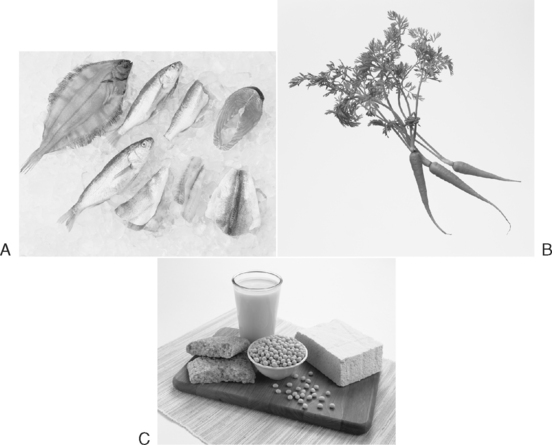
The best documented evidence is the effect of soy protein on plasma lipids and lipoprotein concentrations, with reductions of approximately 10% in LDL cholesterol and small increases in HDL cholesterol concentrations. In addition to the beneficial effect on lipids, dietary soy protein appears to enhance flow-mediated arterial dilation in postmenopausal women.26 A 1995 meta-analysis of 38 clinical trials involving soy showed that the consumption of soy protein in place of animal protein significantly decreases concentrations of total and LDL cholesterol and TGs, with no change in HDL cholesterol.27 Although soy isoflavones contribute to the overall beneficial effects of soy, at this time it appears that it is primarily soy protein that plays the most significant role in lipid reduction. The U.S. Food and Drug Administration found the evidence compelling enough to formally approve a health claim that allows the labels of foods containing at least 6.25 g of soy protein per serving (assuming four servings, or 25 g/day of soy protein) to state that the food reduces the risk of heart disease (Figure 14-1).
Fish and the omega-3 fatty acids.
A growing body of evidence derived from epidemiologic data and clinical trials has consistently demonstrated that fish oil reduces TG concentrations, as well as the risk of a variety of cardiovascular events. The main beneficial components of fish oil are eicosapentaenoic acid (EPA) and docosahexaenoic acid (DHA). These fatty acids have a positive effect on vascular function, improving endothelial function through stimulation of nitric oxide, altering vascular tone by way of actions on selective ion channels, and maintaining vascular integrity.28 Vascular integrity is maintained by making smooth muscle cells less responsive to proliferation.29 EPA has several antithrombotic actions, including the inhibition of platelet-activating factor,30 prostaglandin I2, and thromboxane A2, compounds involved in platelet aggregation and vasoconstriction.31
In concordance with the findings of basic science and animal research, clinical trials such as the Diet and Reinfarction Trial and the Indian Experiment of Infarct Survival have demonstrated reductions in cardiac death rates and the incidence of cardiac symptoms among patients taking fish oil.32 The authors of a meta-analysis of 11 trials (comprising 15,806 patients) published between 1966 and 1999 concluded that omega-3 fatty acid–enriched diets reduce the risk of nonfatal MI, fatal MI, and sudden death among patients with CHD.33 A recent Cochrane systematic review showed that fish oil supplementation reduced TG levels among patients with type 2 diabetes but also increased levels of LDL cholesterol, especially in individuals taking high doses. No beneficial or adverse effects on glycemic control were noted.34 The American Heart Association now recommends the consumption of at least two servings of fish, especially salmon, per week.
The amount of omega-3 fatty acids needed to decrease serum TG levels, approximately 1 g/day, is easily obtained through the addition of fish to the diet. Administering as little as 0.21 g of EPA and 0.12 g of DHA per day in fish oil supplements has been shown to significantly decrease serum TG concentrations in subjects with hyperlipidemia.35 Patients with primarily hypertriglyceridemia would appear to benefit from fish oil supplementation, however, those with increased LDL cholesterol and TG may be better off with combination therapy. The use of dietary interventions with lipid-lowering medications may be superior to treatment alone in patients with mixed forms of hyperlipidemia. A randomized, controlled 10-month crossover trial of 120 previously untreated hypercholesterolemic men ranging in age from 35 to 64 years showed that a modified Mediterranean-type diet rich in omega-3 fatty acids effectively potentiated the cholesterol-lowering effect of simvastatin, while counteracting the drug’s insulin-increasing effect. Unlike simvastatin therapy alone, it did not decrease serum levels of β-carotene and coenzyme Q10 (CoQ10).36
Dyslipidemia often develops in patients who have undergone organ transplantation because of the long-term administration of corticosteroids and cyclosporine. Dietary interventions should be recommended and supported. However, if diet is not sufficient, combined treatment with low-dose pravastatin and fish oil has been shown to be more effective than pravastatin alone in improving the lipid profile after renal transplantation.37
A word of caution: Mercury levels in fish can range from 10 to 1000 ppb. Mercury, which finds its way into rivers, lakes, and oceans from coal-burning power plants and other industrial sources, is known to cause learning disabilities and developmental delays. Health care providers should recommend that patients eat fish high in omega-3 fatty acids that are least likely to contain methyl mercury—salmon, for instance. One 3-oz serving of salmon contains approximately 1.2 to 1.5 g of omega-3 fatty acids. Fish high in mercury, such as king mackerel and shark, should be avoided, especially by children and pregnant women. Mercury-free fish oil capsules are available for those who do not care for fish or are concerned about the presence of methyl mercury (and other pollutants). A recent study of 20 fish oil supplements taken from store shelves revealed that all were free of any detectable level of mercury (<1.5 ppb).38 Fish oil supplements contain both DHA and EPA.
Alcohol.
Convincing evidence indicates that moderate consumption of alcohol (one or two drinks per day) reduces insulin resistance, decreases blood pressure, and increases the level of HDL cholesterol.39 The authors of one metaanalysis found strong and consistent evidence linking moderate alcohol intake with increased HDL cholesterol and apolipoprotein A1 levels and decreased concentration of fibrinogen. The authors calculated an overall predicted 24.7% reduction in risk of CHD associated with alcohol intake of 30 g/day in accordance with changes in these markers.40 The findings of more recent research suggest that alcohol consumption is associated with a decreased probability of an increased level of CRP.41
Exactly what form of alcohol consumption offers the best protection against cardiovascular disease remains a matter of debate. Some researchers believe that any type of ethanol is beneficial,42 whereas others contend that red wine specifically offers the most benefit.43 The findings of one recent review of the clinical and experimental evidence suggest that red wine may offer greater cardiovascular protection than other types of alcoholic beverages.44 This protection is thought to be conferred by the antioxidant, vasorelaxant, and antithrombotic properties of the polyphenolic compounds present in wine.45
We are well aware of the many problems associated with alcohol consumption—fetal alcohol syndrome, alcoholism, hypertension, and increased TG level, to name but a few. Research has shown that individuals who consume more than three drinks per day are more likely to experience harm than benefit.46 The risk of breast cancer is increased among women who consume two or more servings of alcohol per day, causing some specialists to recommend that women limit themselves to an average of one daily serving of alcohol.47 Individuals who enjoy having a glass of wine, a beer, or a mixed drink should be encouraged to consider it a part of a healthy lifestyle, but those who abstain from alcohol should not be encouraged to start drinking. It is important to note that many of the antioxidant compounds found in wine can also be found in purple grape juice.48
Smoking cessation.
Undoubtedly, tobacco use is associated with an increased risk of cardiovascular disease, and there is no question that a reduction in smoking rates has been achieved in some countries through the implementation of strong legislative, fiscal, and educational programs. Yet, for social reasons, young women are beginning to smoke at an alarming rate in both developed and developing nations. This increase is associated in part with marketing in developing companies by tobacco companies, which use advertising that associates cigarette smoking with glamour, independence, power, and romance. The World Health Organization has estimated that the number of women smokers will triple over the next generation to more than 500 million and more than 200 million will die prematurely of tobacco-induced diseases.49 A concerted effort to create a global strategy that educates and informs women about the health risks of smoking would help prevent an epidemic of heart disease and other tobacco-related diseases in the future.
Volumes of material address the complexity of smoking cessation, and I will not attempt to replicate them here. However, because this is a text on integrative approaches to health and well-being, it seems appropriate to comment on the use of two popular alternative treatments for this health problem. There are many reports of the successful use of acupuncture and acupressure to achieve smoking cessation. A Cochrane review published in 2002 identified 22 studies addressing this topic. The reviewers found that acupuncture was not superior to sham acupuncture in helping achieve smoking cessation at any time point. When acupuncture was compared with other antismoking interventions, no differences in outcome were found at any time point. The results with different acupuncture techniques failed to show that any particular method (e.g., auricular or nonauricular) was superior to control intervention.50
Hypnosis is another popular treatment used by patients and recommended by practitioners. Many anecdotal reports and uncontrolled studies claim effectiveness. A formal review of nine studies in which hypnotherapy was compared with 14 different control interventions revealed conflicting results for the effectiveness of hypnotherapy compared with no treatment or verbal advice. The reviewers concluded, “We have not shown that hypnotherapy has a greater effect on 6-month quit rates than other interventions or no treatment. The effects of hypnotherapy on smoking cessation claimed by uncontrolled studies were not confirmed by analysis of randomized controlled trials.”51
Weight loss
Exercise.
Obesity is an urgent and growing health problem in the United States. The Office of the U.S. Surgeon General reports that the risks of overweight or obesity may soon cause as much disease and death as does cigarette smoking. The percent of women 55 to 75 years of age who are overweight, according to the National Institutes of Health criterion of a body mass index of 25 kg/m2, is estimated to be between 53.9% and 55.8%.52 Implementation of strategies to achieve optimal health, not necessarily a “normal” body weight, is probably the most effective approach for health care providers to take. It has been shown repeatedly that losing just 10 to 20 lb can significantly decrease cardiovascular risk in obese individuals (see Chapter 2).
Hypertension.
Hypertension is two to three times more prevalent among overweight people than in lean individuals. Approximately 60% of people with hypertension are overweight. Clinical trials have demonstrated that a reduction in body weight also causes a reduction in blood pressure. A review of 11 weight-loss studies showed that the average reductions in systolic and diastolic blood pressure per kilogram of weight loss were 1.6 and 1.1 mm Hg, respectively.53 In addition, a recent study demonstrated that weight loss not only reduces blood pressure but also decreases left ventricular wall thickness.
Lipids.
Obesity is often associated with increased levels of TGs and low levels of HDL cholesterol.24 It is thought that an increase in the TG level leads to increased catabolism of TG-rich HDL cholesterol, resulting in lower levels of HDL cholesterol.54 Weight loss in most obese individuals increases the level of HDL cholesterol and decreases the TG level.55 However, it is important to note that low-fat diets often reduce HDL cholesterol levels. For this reason, saturated fat should be replaced with monounsaturated fat in any weight loss program designed to increase HDL cholesterol levels.56
Heart health.
In prospective studies, endothelial dysfunction has been associated with an increased incidence of cardiovascular events. The most effective nonpharmacologic approach for preventing endothelial dysfunction is aerobic physical activity, which can reduce oxidative stress associated with aging. Physical activity also improves endothelial dysfunction in patients with cardiovascular risk factors such as essential hypertension.57
Approximately 25% of women report engaging in no regular sustained physical activity, and this number is even higher among those 55 years and older. Unfortunately, health care providers often fail to adequately discuss and encourage patients to increase their daily activity. Data from the Nurses’ Health Study indicate that simply walking 3 or more hours per week at a brisk pace can reduce the incidence of coronary events by 30% to 40%.59 Exercise reduces concentrations of cholesterol and TGs, decreases blood pressure, and reduces the risk of stroke while helping maintain a healthy weight and fitness level. Regular exercise helps reduce abdominal fat, the type most associated with the development of diabetes and high blood pressure.

Stay updated, free articles. Join our Telegram channel

Full access? Get Clinical Tree


